

How gambling can influence interpersonal relationships
The Impact of Gambling on Trust
Gambling can significantly affect trust among friends, family, and romantic partners. When one person in a relationship engages in gambling, it can lead to feelings of betrayal, especially if they hide their activities or losses. This secrecy can undermine the very foundation of trust that relationships are built upon. As individuals become more focused on their gambling habits, their partners may feel neglected and question their reliability.
Moreover, the financial implications of gambling can put a strain on trust. Large losses can result in secretive behaviors like borrowing money or lying about expenses. This can create an atmosphere of suspicion and anxiety, further deteriorating the trust between individuals. When trust erodes, it can lead to conflict and potentially the breakdown of relationships, making it crucial for individuals to approach gambling with honesty and transparency.

Furthermore, the psychological factors associated with gambling can exacerbate the deterioration of trust. Gamblers often rationalize their behaviors, convincing themselves that they will recover their losses. This can lead to a dangerous cycle where they promise their loved ones that things will change while continuing to engage in the very behaviors that destroy trust. Ultimately, addressing these psychological underpinnings is essential for restoring relationships affected by gambling.
Gambling’s Effect on Communication
Effective communication is vital in any relationship, but gambling can create barriers that hinder open dialogue. Gamblers may become withdrawn or defensive when discussing their activities, which can lead to misunderstandings and frustration for those close to them. This lack of transparency can foster feelings of isolation among partners, making them feel they cannot express their concerns or feelings about the gambler’s behavior.
Additionally, the emotional strains from gambling losses can cause one to withdraw from conversations. This withdrawal can result in important issues going unaddressed, leaving partners feeling disconnected. Healthy communication is essential for resolving any conflicts that arise, and gambling often complicates this process, making it vital for both partners to find ways to openly discuss their feelings and concerns.
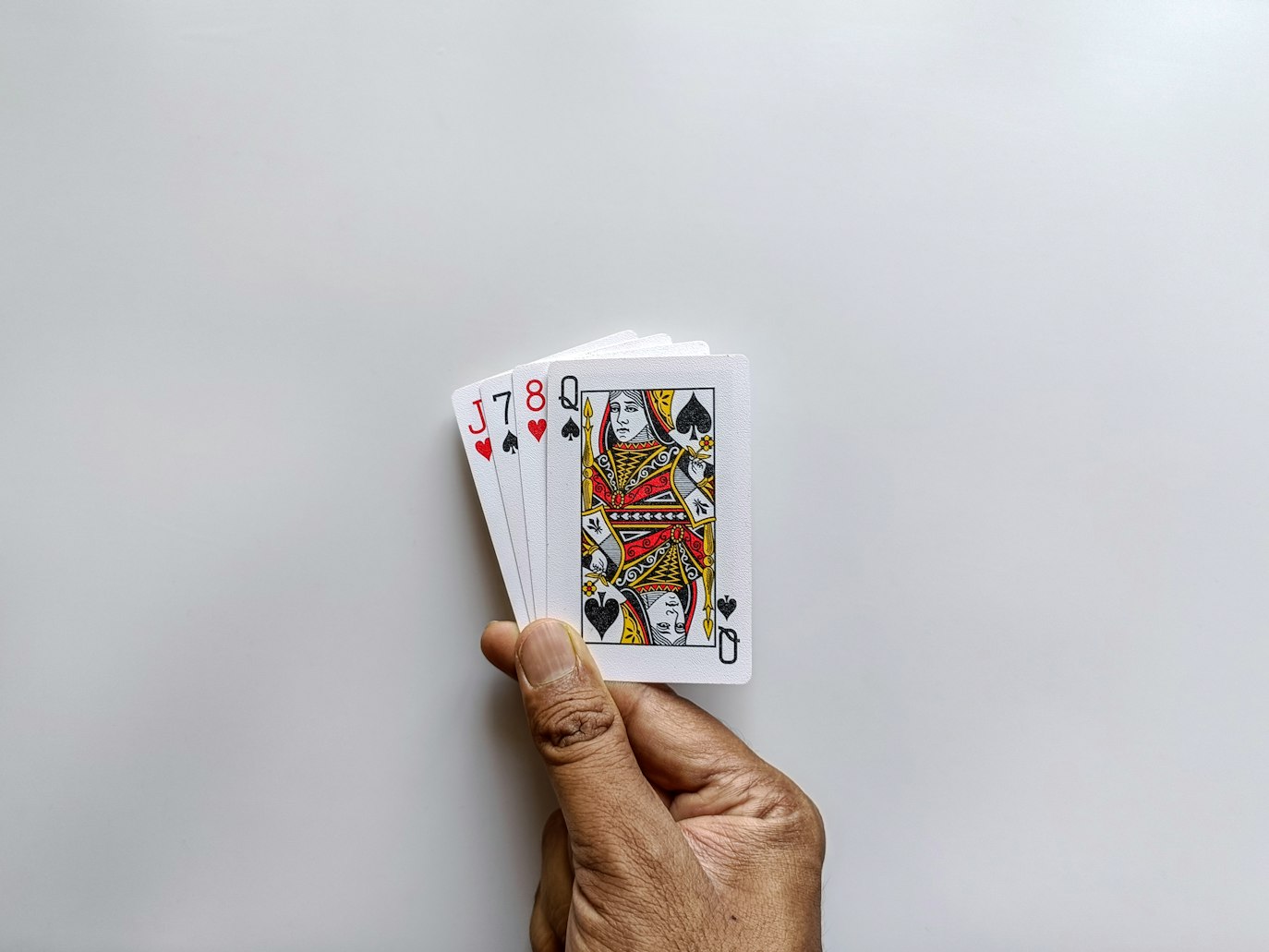
As a result, developing communication strategies can be beneficial. Establishing regular check-ins or creating a safe space for discussions can help mitigate the tension. This proactive approach invites both partners to share their thoughts and feelings without the fear of judgment, paving the way for a more understanding and supportive approach to the situation.
The Role of Co-dependency
In some relationships, gambling can foster co-dependency, where one partner feels overly responsible for the other’s gambling behaviors. This often leads to a cycle where the responsible partner attempts to cover up debts or problems caused by gambling, enabling the gambler to continue their habits. These dynamics can lead to significant emotional distress and resentment, often resulting in a toxic situation for both individuals.
Over time, this co-dependent behavior can stifle personal growth and autonomy, as one partner’s needs consistently overshadow the other’s. Breaking free from these patterns is challenging but essential for maintaining healthy relationships. Both partners must recognize the issue and seek to establish boundaries that promote accountability, encouraging healthier habits and fostering personal responsibility.
Additionally, engaging in supportive conversations about the implications of co-dependency can lead to a deeper understanding of each partner’s needs. This awareness can help the couple break the cycle of dependency and encourage mutual support, ultimately leading to healthier dynamics and stronger relationships.
Social Relationships and Gambling
Gambling can also influence social circles, affecting friendships and community ties. When gambling becomes a frequent activity, it may lead to social isolation as individuals prioritize gambling over social engagements. Friends may feel neglected or abandoned, leading to strained friendships and, in some cases, social ostracism.
Moreover, engaging in gambling with friends can alter the dynamics of those relationships. Friendly bets can turn into conflicts, and losing can result in tension and dissatisfaction. As gambling behavior escalates, it might ultimately lead to the loss of friendships, which can have a profound emotional impact on both the gambler and their social network.
To combat these negative effects, individuals can make a conscious effort to balance their gambling activities with their social lives. Setting aside time for friends and engaging in community activities can help maintain and even strengthen these connections, ensuring that relationships remain intact despite the potential challenges gambling may introduce.
How to Navigate Relationships Affected by Gambling
When gambling starts influencing interpersonal relationships, open communication and professional help can be beneficial. It’s essential for individuals to discuss the impact of gambling on their lives honestly. Seeking therapy can provide couples with tools to navigate these challenges, promoting understanding and rebuilding trust.
For those grappling with gambling addiction, resources and support systems are crucial. Websites like https://csicanadasafety.com/ often provide invaluable information on responsible gambling practices and treatment options. By prioritizing mental health and relationship well-being, individuals can reclaim control over their lives and foster healthier interpersonal dynamics.
In addition, support groups offer a sense of community, where individuals can share experiences and coping strategies, emphasizing the importance of support in overcoming gambling-related issues. Whether through professional help or community resources, taking actionable steps can lead to sustainable change and improved relationships.